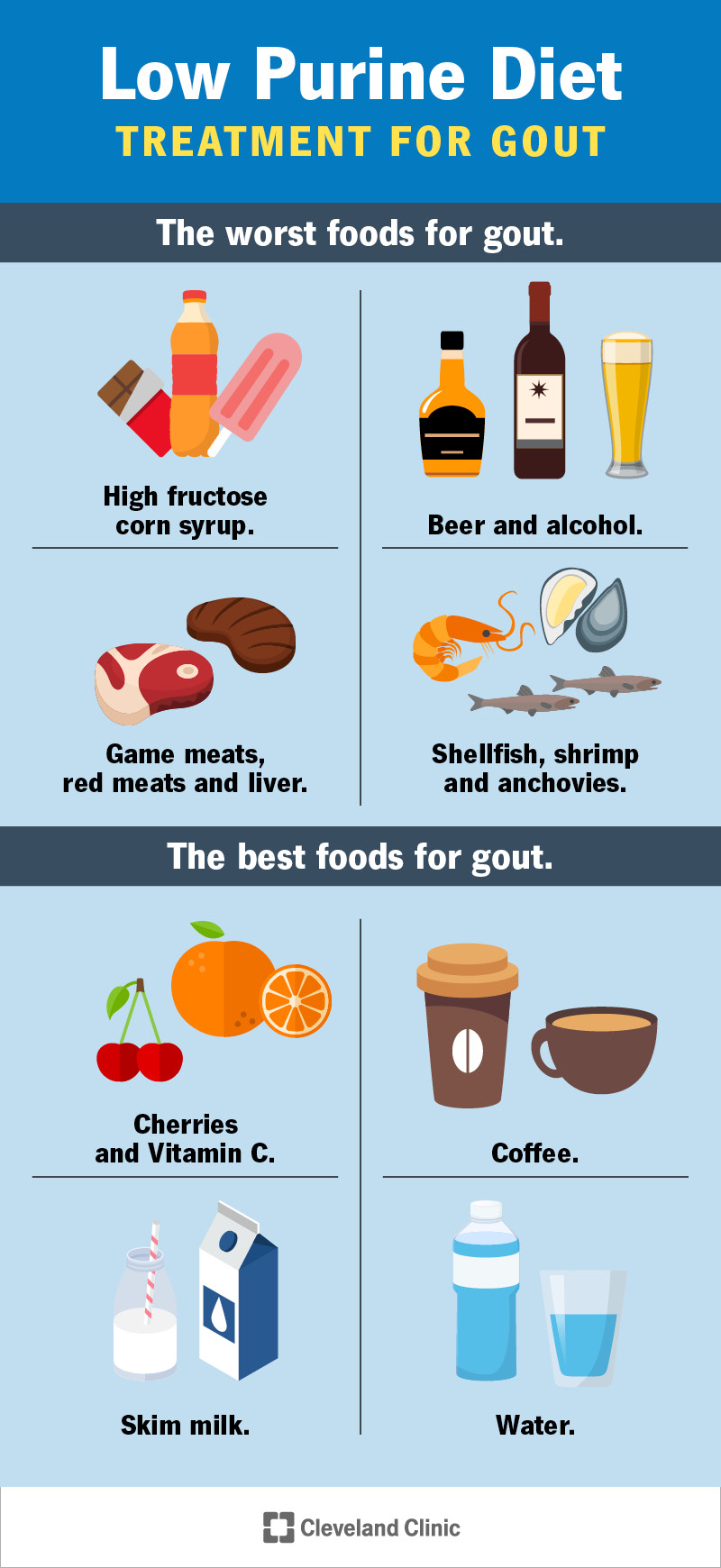
Gout Diet Solutions: Discover Low Purine Food Options
Gout, often described as one of the most agonizing forms of arthritis, is a condition that results from the build-up of uric acid crystals in the joints, leading to sudden, severe attacks of pain, redness, tenderness, and swelling. While several factors contribute to its onset, diet plays a pivotal role, particularly when it comes to understanding Purine Rich Foods: Your Guide to Gout-Triggering Meals. For many managing gout, navigating food choices can feel like a complex challenge, but with the right knowledge, it transforms into an empowering journey towards better health.
This comprehensive guide delves into the world of purines and their intricate connection to gout, offering practical, actionable advice on how to structure a diet that supports symptom management and reduces the frequency of flare-ups. We'll explore which foods to approach with caution and, more importantly, highlight the abundance of delicious, low-purine options that can form the cornerstone of a gout-friendly lifestyle.
The Gout-Purine Connection: Unraveling Uric Acid's Role
At the heart of gout lies purine, a natural substance found in all living organisms, including plants and animals. Purines are fundamental components of our genetic material (DNA and RNA) and play vital roles in energy transfer within cells. The human body naturally synthesizes some purines, but a significant portion is ingested through the foods we eat.
Once consumed, purines are metabolized, eventually breaking down into uric acid. Normally, uric acid serves a beneficial purpose in the body, acting as an antioxidant that helps fight free radicals and reduce cellular damage. However, when the body produces too much uric acid or has difficulty excreting it efficiently, levels in the blood can become abnormally high – a condition known as hyperuricemia. This excess uric acid can then crystallize, typically in the joints, triggering the excruciating pain and inflammation characteristic of a gout attack. High uric acid levels are also linked to other health concerns, such as kidney stones.
While Purine & Gout Link: What Foods Raise Uric Acid Levels? is a direct one, it's important to remember that diet is just one piece of the puzzle. Genetics, hydration, weight, alcohol consumption, and certain medications also significantly influence uric acid levels. Nevertheless, managing dietary purine intake is often one of the first and most effective strategies for individuals seeking to control their gout.
Navigating the Dietary Landscape: Identifying Purine Rich Foods
For those managing gout, understanding which foods are high in purines is crucial. While complete avoidance of all purine-containing foods is neither practical nor necessary, judicious moderation and informed choices can make a significant difference. Here’s a detailed breakdown of Purine Rich Foods that are commonly associated with gout flares:
Foods to Limit or Avoid:
- Organ Meats: These are arguably the highest purine offenders. Foods like liver, kidneys, sweetbreads, and brain are extremely concentrated sources, with some containing up to 300 milligrams of purine per 100-gram serving. It is generally recommended to avoid these altogether or consume them very sparingly.
- Certain Seafood: While many types of fish are nutritious, some seafood varieties are notably high in purines. Anchovies, sardines (around 345mg/100g), herring, mackerel, trout, and tuna are among the top contenders. Other seafood like lobster, crab, and shrimp also contain significant levels. Limiting these to small, infrequent portions is often advised.
- Alcoholic Beverages, Especially Beer: Beer stands out due to its high purine content (from brewer's yeast) and its ability to increase uric acid production while simultaneously hindering its excretion. Other alcoholic beverages can also raise uric acid levels, so moderation or avoidance of all alcohol is frequently recommended, particularly during flare-ups.
- Yeast and Extracts: Products derived from yeast, such as brewer's yeast, nutritional yeast, and yeast extracts, are high in purines. Similarly, meat extracts, consommé, and rich gravies, which often concentrate meat essences, should be approached with caution.
- Legumes: Dried beans (such as black-eyed peas, garbanzo beans, white beans, red beans), lentils, and split peas are protein-rich foods that also contain moderate to high levels of purines. While they offer numerous health benefits, individuals with gout might consider consuming them in moderation, especially during periods of active symptoms.
- Selected Vegetables: Spinach, mushrooms, asparagus, and cauliflower are often listed among purine-rich vegetables. However, it's important to note that their purine content is generally much lower than that of organ meats or certain seafood. Many experts suggest that the overall health benefits of these vegetables, including their fiber and vitamin content, often outweigh their purine contribution, especially when consumed as part of a balanced diet. Individuals might not need to eliminate them entirely but should monitor their personal tolerance.
Practical Tip: Understanding your personal triggers is key. Some individuals may be more sensitive to certain purine-rich foods than others. Keeping a food diary can help identify specific culprits.
Crafting a Gout-Friendly Plate: Embracing Low-Purine Food Options
The good news is that a vast array of delicious and nutritious foods are low in purines, allowing you to build a varied and satisfying diet that actively supports gout management. Focusing on these options can help reduce uric acid levels and promote overall well-being.
Abundant Low-Purine Choices:
- Fruits: Enjoy a wide variety of fruits! Apples, avocados, bananas, melons, all types of berries (strawberries, blueberries, raspberries), and citrus fruits like oranges are excellent choices. Cherries, in particular, have garnered attention for their potential anti-inflammatory properties and ability to lower uric acid.
- Vegetables (Most): Most vegetables are low in purines and can be consumed freely. Stock up on carrots, broccoli, beets, celery, onions, bell peppers, cucumbers, squash, and most leafy greens (excluding the moderately purine-rich spinach). These are packed with vitamins, minerals, and fiber.
- Lean Proteins: Opt for lean protein sources that are generally lower in purines. These include skinless chicken breast, whey protein, tofu and other soy products, and eggs. Nuts and seeds are also excellent sources of healthy fats and protein with minimal purine content.
- Dairy Products: Low-fat dairy products like milk, yogurt, and cheese are not only low in purines but have also been linked to a reduced risk of gout.
- Whole Grains: Brown rice, quinoa, oats, whole-wheat bread, and pasta are generally low in purines and high in beneficial fiber, contributing to satiety and digestive health.
- Healthy Fats: Incorporate healthy fats from sources like olive oil, avocado, and nuts (e.g., almonds, walnuts).
- Hydration Heroes: Water is perhaps your best friend in managing gout. Drinking plenty of water helps flush uric acid from the body. Aim for at least 8-12 glasses daily. Green tea, mineral water, and fresh, diluted vegetable and fruit juices (in moderation to limit sugar intake) are also good choices.
- Flavor Enhancers: Enhance your meals with spices like cinnamon, curry powder, mustard, various peppers, and sea salt. Herbs like basil, oregano, and thyme are also perfect for adding flavor without increasing purine load.
- Other Beneficials: Some individuals find apple cider vinegar to be a helpful addition, although scientific evidence is limited and it should not replace medical advice.
Practical Tip: Focus on creating balanced meals that prioritize fresh produce, lean proteins, and whole grains. Experiment with new recipes to keep your gout-friendly diet exciting and sustainable.
Beyond Diet: A Holistic Approach to Gout Management
While dietary modifications are fundamental, managing gout effectively often requires a broader approach. Here are additional strategies to consider:
- Maintain a Healthy Weight: Obesity is a significant risk factor for gout. Gradual, sustainable weight loss can significantly reduce uric acid levels and decrease the strain on joints.
- Stay Hydrated: We cannot overstate the importance of adequate water intake. It's vital for kidney function and helps prevent the formation of uric acid crystals.
- Regular Physical Activity: Moderate exercise contributes to weight management and overall joint health.
- Limit Sugary Drinks: Fructose, especially high-fructose corn syrup found in many sodas and processed foods, can raise uric acid levels independently of purine content.
- Consult Your Doctor: Always work closely with a healthcare professional. Diet is a powerful tool, but medication (like allopurinol or colchicine) is often necessary for long-term gout management and acute flare-ups.
Conclusion
Taking control of your diet is a powerful step in managing gout and reducing the frequency and severity of painful attacks. By understanding the role of Purine Rich Foods and consciously opting for low-purine alternatives, you can significantly impact your uric acid levels and overall well-being. Embrace the wealth of fruits, vegetables, lean proteins, and whole grains available to you, and remember the crucial role of hydration.
While diet is a cornerstone of gout management, it's part of a larger picture that includes lifestyle choices and, often, medical treatment. Consult with your doctor or a registered dietitian to tailor a personalized plan that addresses your specific needs and health profile. With informed choices and a proactive approach, you can navigate your gout journey with greater confidence and comfort, reclaiming control over your health.